Røde Kors
422 life-saving films
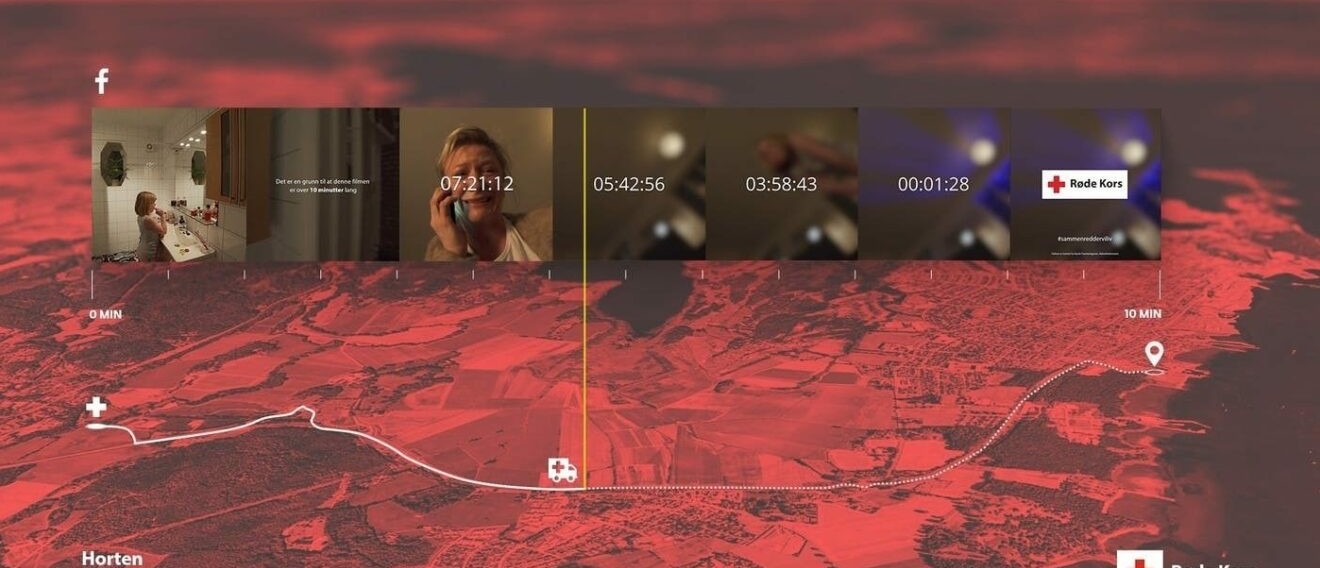
Røde Kors wanted a campaign about the importance of knowing CPR. Research showed many people assume professional help is closer than it is, and don't grasp how helpless you are in an emergency while waiting for an ambulance. TRY made 422 unique Facebook videos, one per municipality, each exactly as long as that municipality's real average ambulance response time, plus one national-average version on Røde Kors's own account.

Opens with an on-screen text card at 5 seconds reading (Norwegian): "Det er en grunn til at denne filmen er over 14 minutter lang" ("There is a reason this film is over 14 minutes long"). At 7 minutes 30 seconds, a live countdown clock is shown reading 07:17:00. Audio content beyond the opening text card was not confirmed by listening; transcript needs verification.
Challenge
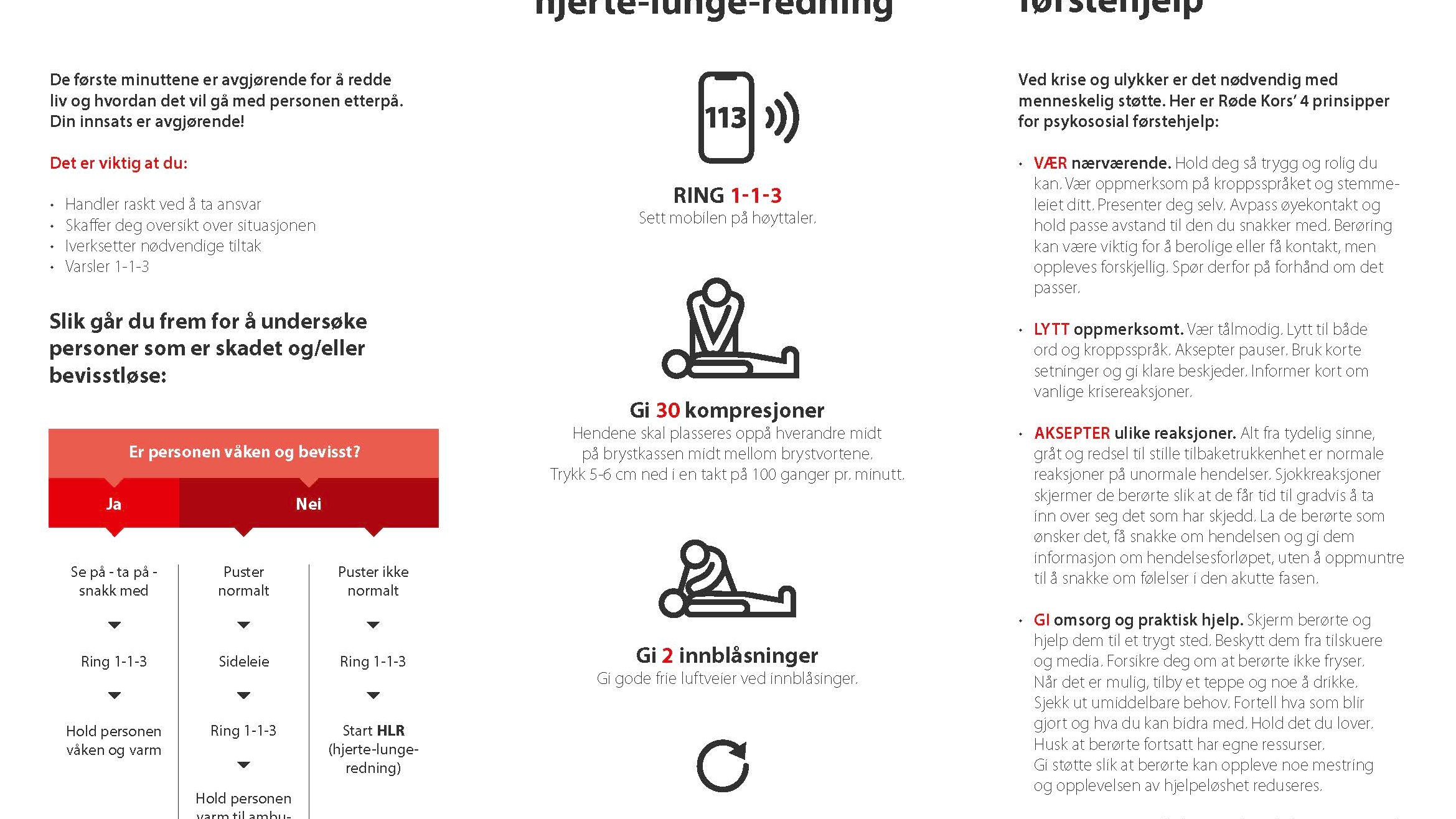
Røde Kors wanted a campaign that made the importance of knowing CPR impossible to ignore. Research had shown that many people wrongly assume professional help is close by, and do not grasp how helpless they would be waiting for an ambulance during a real cardiac emergency. The brief was to turn a national average into something a person could actually feel, town by town, rather than a statistic to skim past.
Solution
TRY made 422 unique Facebook videos, one for every Norwegian municipality, each running exactly as long as that municipality's real average ambulance response time, so a viewer felt the wait rather than being told a number. TRY Apt built the software that auto-versioned, stitched and localised each film's length and on-screen text at that scale, and a national-average version ran on Røde Kors's own Facebook page.
Results
The campaign reached four million ad impressions on Facebook and drew three times the clicks of the 2018 campaign, with over 5,000 people signing up for first-aid content afterwards. Surveyed viewers came away more confident: 5% more felt able to give first aid, fear of performing CPR fell by 14%, and 13% more said they wanted to learn.
- ad impressions on Facebook
- 4,000,000
- more clicks than the 2018 campaign
- 3x
- campaign reporting
- newsletter sign-ups for first-aid content
- 5,000+
- campaign reporting
- rise in people confident giving first aid
- 5%
- post-campaign survey
- drop in fear of performing CPR
- 14%
- post-campaign survey
- rise in people who want to learn first aid
- 13%
- post-campaign survey